
Skip to content

Our Story

Women receive bags of rice and bottles of cooking oil at a village distribution in Mandalay

Background

The Rapid Relief Fund (RRF) is a locally managed humanitarian funding mechanism established to enable rapid, flexible, and locally led emergency responses in Myanmar. Working through pre-qualified local organizations, RRF helps ensure that life-saving assistance reaches crisis-affected communities quickly, with funding that can be mobilized within 48 hours of an identified emergency.

RRF prioritizes local leadership, accountability, and quality. It provides funding alongside technical guidance, risk management, compliance support, monitoring, and learning to strengthen the capacity of local organizations to lead effective emergency responses.

Through its localization-focused approach, RRF supports local actors to respond based on the needs and priorities of affected communities while maintaining strong standards of transparency, humanitarian principles, and responsible resource management.

Goal

To enable locally rooted, community-trusted organizations to deliver fast, lifesaving relief while strengthening local systems for long-term recovery and resilience.

Objectives

Objective 1

To enhance emergency preparedness and readiness

  • Build and sustain the operational, financial, and coordination capacities of local partner organizations.
  • Support local leadership in emergency preparedness and response planning.
  • Promote community-owned and community-led response models for sustainability.
Objective 2

To deliver rapid and life-saving humanitarian response

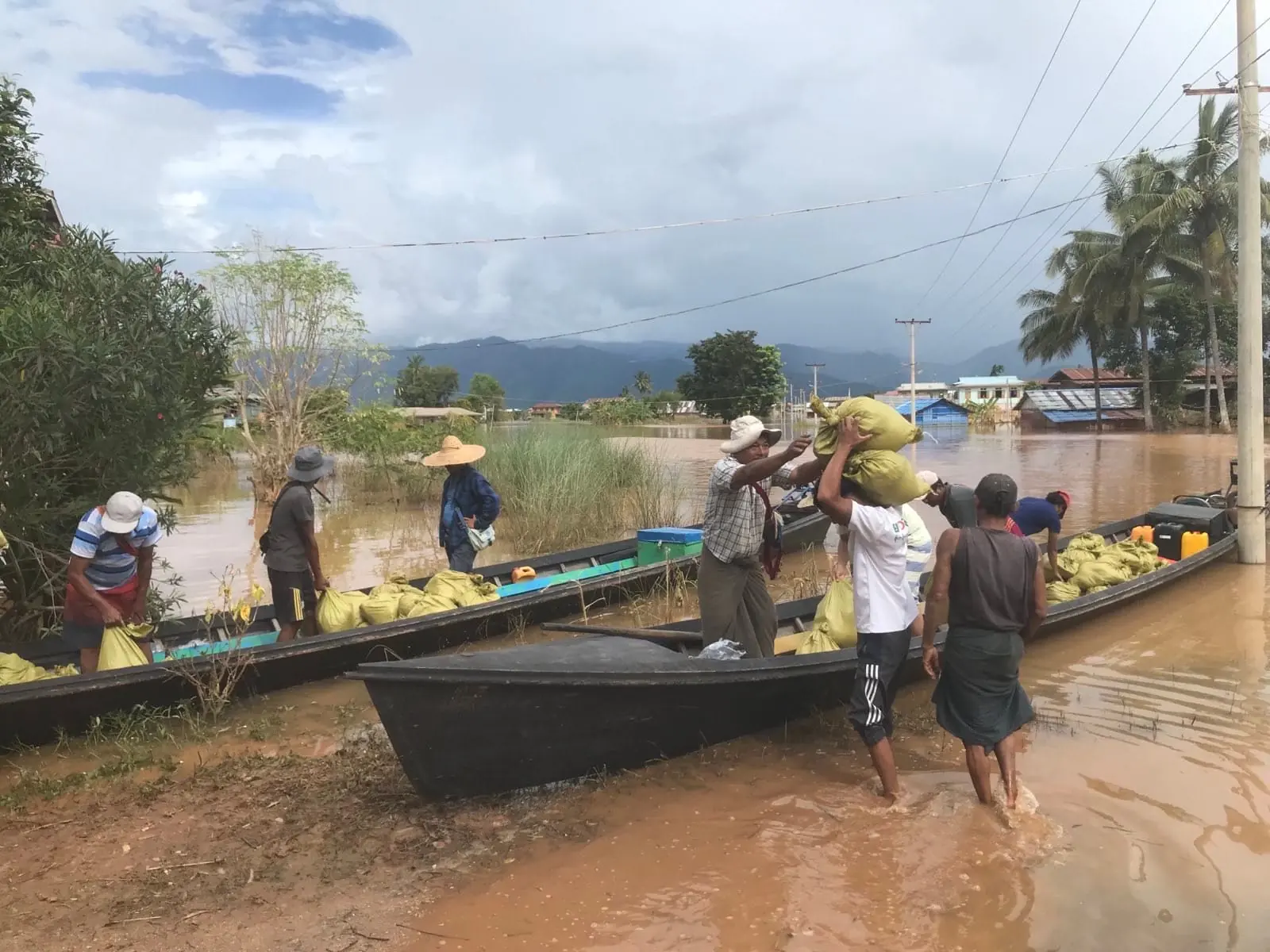
  • Deploy emergency relief (food, shelter/NFI, health, WASH) within 48 hours post-crisis.
  • Conduct needs assessments and prioritize protection of vulnerable groups.
  • Activate fast-track procurement and logistics systems.
  • Provide initial psychosocial support and coordinate frontline actors.
Objective 3

To support recovery and resilience of affected communities

  • Restore livelihoods and provide mental health and psychosocial support (MHPSS).
  • Rehabilitate critical infrastructure and services (EiE, WASH, Health).
  • Invest in local organizational capacity and inclusive governance.
  • Promote accountability, feedback, and post-crisis learning mechanisms.